
Guiding Traffic with Confidence: the Proper Use of Truck-mounted Traffic Arrows in Temporary Conditions
Guiding Traffic with Confidence: The Proper Use of Truck-Mounted Traffic Arrows in Temporary Conditions
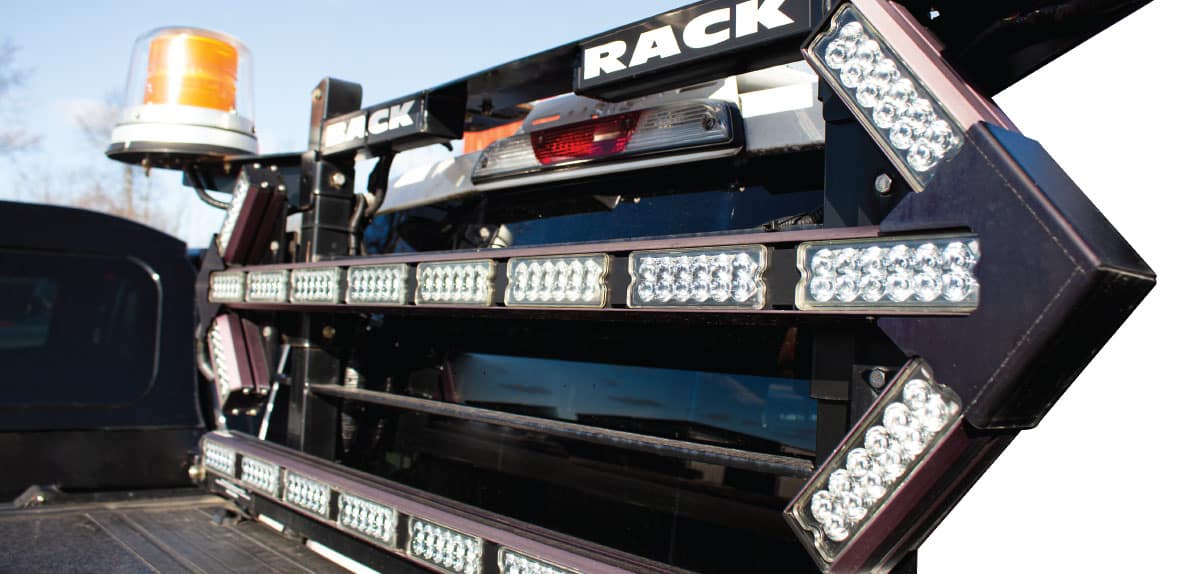
When the work zone goes up, clarity and safety must follow. For road crews, fleet upfitters, and municipalities, truck-mounted traffic arrows are more than just lights, they’re critical tools to guide drivers safely through temporary conditions and protect crews on the ground.
At SWS Warning Lights Inc., we’re not just a supplier, we’re your partner in safety. That’s why we’re sharing practical guidance on how to properly deploy truck-mounted arrow boards, in line with the Ontario Traffic Manual (OTM) Book 7.
When to Use Truck-Mounted Traffic Arrows
According to OTM Book 7, truck-mounted arrow boards are recommended for use when:
- Lane closures or lane shifts are required
- Mobile operations like pothole patching or sweeping are underway
- Short-duration or intermittent work is being done where traditional signage might not be feasible
They’re especially valuable in multi-lane roadways, providing a clear signal to approaching drivers that they must merge or redirect.
Best Practices for Proper Use
- Mounting Height & Visibility
- Ensure the board is mounted at a height that provides clear visibility to approaching drivers (typically 2.1 m minimum from the ground to the bottom of the board).
- The display should be perpendicular to traffic and not obstructed by equipment or signage.
- Display Patterns Matter
- Left Arrow / Right Arrow: Use to direct traffic to merge accordingly.
- Chevron Pattern: Best used when indicating a continuous lane shift.
- Caution Bar (Four Corners or Wig-Wag): Signals caution without instructing a merge. Ideal for mobile or intermittent work zones.
- Operation Requirements
- Arrow boards must have high-intensity flashing lights visible in all weather conditions, day or night.
- Boards should be turned on before entering the work zone and remain active until clear of the hazard.
- Avoid using arrow boards in opposing traffic lanes unless it’s part of a managed traffic control plan.
- Positioning Your Vehicle
- For short-duration or mobile work, your truck becomes part of your traffic control system.
- According to OTM Book 7, use the trailing truck strategy, where the arrow-equipped vehicle follows the work crew to alert oncoming traffic.
- Use additional traffic control devices (cones, signs, tapers) to reinforce the direction.
- Stay Updated with Book 7
- The 2022 update to Book 7 introduced clearer layouts, new taper length standards, and expanded guidance for temporary conditions.
- Make sure your traffic management plan reflects these updates to remain compliant and most importantly, keep your crew safe.
Common Mistakes to Avoid
- Using the wrong display: A caution bar when a merge arrow is needed can confuse drivers.
- Low battery: A dim arrow board is worse than none, ensure proper battery checks before deployment.
- Improper positioning: Mounting too low or placing the truck too close to the taper reduces visibility and effectiveness.
Built for the Real World
At SWS, we build our traffic arrow boards with rugged reliability in mind, potted electronics, UV-protected lenses, and components built to withstand harsh Canadian and American work zones. Whether you’re working downtown or on a 400-series highway, we make sure your lights won’t let you down.
Let’s Get You Set Up for Success
If you’re unsure about the best arrow board setup for your fleet or operation type, our team is here to help. We’ve partnered with foremen, fleet managers, and safety officers to develop tailored solutions that match your real-world challenges.
Call us: 1-877-357-0222
Email us: sales@warninglightsinc.com
Or submit your custom product needs via our Pro’s Workshop tool
Because in our world, every signal counts and every crew deserves to make it home safe.